
Signs of Hidden Roof Damage After a Hurricane in South Florida
Posted 10.23.2026 | 8 Minute Read
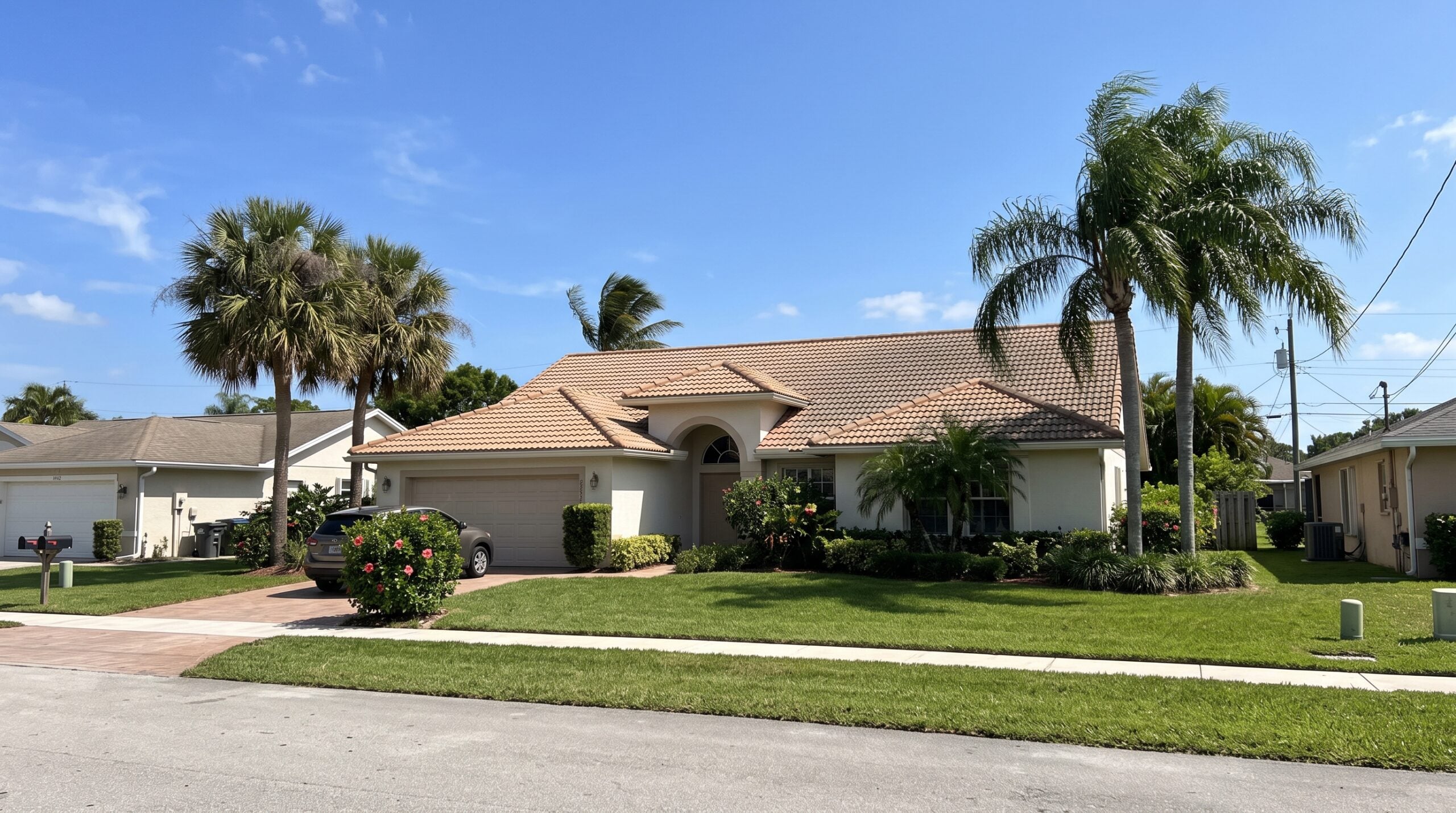
Signs of hidden roof damage after a hurricane usually show up inside the house before anyone can see them from the street, which is why our storm inspections start in the attic. Look for ceiling stains, damp insulation, daylight through the decking, and lifted shingles or bent flashing, then book a free inspection to confirm.
A roof can look fine from the driveway after a hurricane and still be letting water in. Hurricane roof damage often sits out of view, under shingles, behind flashing, and above the ceiling. This guide walks through the signs in the order you can check them safely, and it points you to our storm damage roof repair team when you find one.
Why Hurricane Roof Damage Is Hard to See
Hurricane roof damage is often hard to see because many issues involve broken seals, loose adhesives, or micro-fractures that leave the roof looking intact from the ground. They pull hardest at corners, eaves, and ridgelines, and that negative pressure can lift a shingle edge or loosen a tile without removing it. The roof still looks intact, but the sealant bond or the fasteners underneath may be broken.
Wind-driven rain pushes water sideways under shingles, past flashing, and through vents. Research from the Insurance Institute for Business and Home Safety is modeled on post-hurricane assessments of roofs where wind stripped the covering but left the deck in place, and those roofs were left vulnerable to water intrusion.¹
How to spot hidden roof damage after a hurricane?
Interior signs of hidden hurricane or storm roof damage include water stains, damp attic insulation, peeling paint, and mold growth caused by wind-driven rain or compromised seals.
Stains can appear days or weeks after the storm. Water usually soaks the insulation and decking first, then reaches the ceiling once those layers are saturated. If a stain sits near a light fixture or exhaust fan, turn off the power to that circuit before you touch anything.
Signs of Hidden Hurricane Roof Damage in the Attic
The attic shows what the roof is really doing. Bring a flashlight, step only on the framing, and skip the attic entirely if you see wet wiring or sagging boards.
- Daylight coming through the roof deck on a bright day
- Dark stains or rings on the underside of the decking or on the rafters
- Wet, flattened, or clumped insulation
- Rust on nails or metal straps near the roof deck
- Water marks around vents, chimneys, or plumbing stacks
Check the areas around soffits, gable-end vents, chimneys, and flashing too. Wind-driven water often enters through those routes even when the roof surface looks sound.²
Signs of Hidden Hurricane Roof Damage From the Ground
You do not need a ladder for this. Walk the property with binoculars and look at the roof from several angles.
- Shingle roofs: Look for corners that curl or lift. A lifted corner means the sealant bond has broken even if the shingle is still in place. Granules collecting in gutters and downspouts point to a worn or bruised surface.
- Tile roofs: Look for slipped, cracked, or shifted tiles and cracked mortar along the ridge. A tile that has moved can expose the underlayment, which is the layer that actually stops water.
- Flashing and edges: Bent or lifted flashing around chimneys, skylights, and vents is a common leak path after a storm. Also check the drip edge, fascia, soffits, and gable vents for gaps or missing pieces.
Why do Small Opening in the Roofs Become Bigger Repairs?
A small opening lets water in every time it rains, not only during the storm. Trapped moisture softens decking, rusts fasteners, and feeds mold, and every storm after the hurricane adds more. For a sense of how costs change once water reaches the deck and the ceiling, read our guide to roof leak repair cost in South Florida.
What a Coastal Roofing Inspection Looks Like
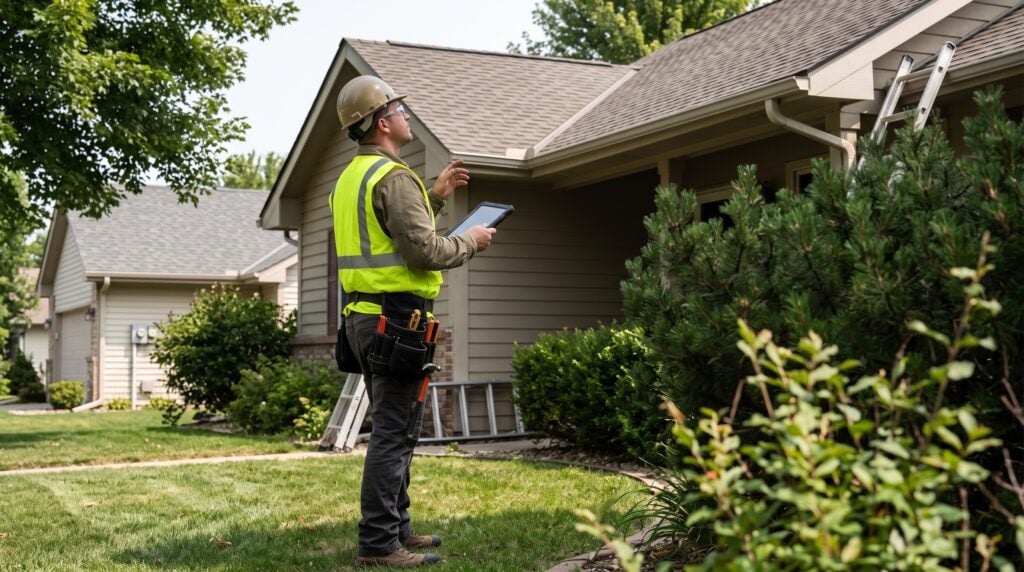
Hidden damage usually means wet or soft decking, worn underlayment, or gaps around roof penetrations. A thorough inspection is built to find those problems before they turn into leaks. Here is how it works with Coastal Roofing of South Florida:
- Call or book online. Most inspections take place within 48 hours of contacting our team.
- We inspect the roof. The inspection is free, and our team goes through a signature checklist to spot signs of storm damage you would miss from the ground.
- You get a detailed estimate. After the inspection, you receive an estimate that lays out your options for materials and solutions.
- You work with a licensed and insured team. Coastal Roofing is a Florida Certified Roofing Contractor (CCC1334140).
For a closer look at one moisture-detection method, see our guide to infrared roof inspections.
4 Steps to Take When You Suspect Hidden Roof Damage from a Hurricane
- Document everything before you clean up: Take dated photos and video of ceiling stains, attic decking, insulation, and the roofline from the ground.
- Stop more water from getting in: Do not climb onto a wet or damaged roof. Call a roofer to tarp exposed areas and place buckets under active drips. Most policies expect reasonable steps to prevent further damage, so keep your receipts. Our guide to handling unexpected roof damage covers the next moves.
- Notify your insurer in writing: Florida law bars a new or reopened claim unless notice reaches the insurer within one year of the date of loss, and a supplemental claim within 18 months.³ Your policy spells out how to give notice, and our guide to filing a roof damage insurance claim in South Florida walks through the process.
- Ask your insurer before starting permanent repairs: Wind damage and flood damage are handled differently, so keep records that show how the water got in. Our breakdown of flood vs. wind damage claims explains the difference.
Book a Free Roof Inspection After the Storm
If you see any of these signs, or you want to rule them out, book a free storm damage inspection with Coastal Roofing of South Florida. Our inspection covers the attic as well as the roof, and we serve Palm Beach, Martin, St. Lucie, and Indian River counties. You can also call (561) 895-4007.
Frequently Asked Questions
How can you tell if there is roof damage?
Check inside first for new ceiling stains, bubbling paint, or damp attic insulation. Then look at the roof from the ground with binoculars for missing, curled, or cracked shingles and tiles and bent flashing. A professional inspection confirms damage you cannot see.
What are the signs that my roof has been damaged by a storm?
Common signs include missing, lifted, or cracked shingles and tiles, bent flashing, granules in the gutters, ceiling stains, and damp attic insulation. Some signs only show inside the home or in the attic, so check both before you assume the roof is fine.
How long do you have to claim roof damage from a storm?
You generally have 30 days to 1 year from the date of the storm to file a roof damage insurance claim, depending on your specific policy. Florida law bars a new or reopened property claim unless the insurer gets notice within one year of the date of loss. A supplemental claim has 18 months.³ Your policy can add its own notice terms, so report damage as soon as you find it.
What not to say to the insurance adjuster about your roof?
Avoid guessing about the cause, the age of the damage, or the repair cost. Do not downplay what you see, and do not sign anything you have not read. Answer questions about past repairs honestly, share your dated photos, and ask for decisions in writing.
What does a wind damaged roof look like?
A wind damaged roof can show missing shingles, curled or lifted corners, cracked or shifted tiles, bent flashing, and a displaced ridge cap. You may also see bare patches, debris marks, and granules in the gutters. Some wind damage stays hidden until water stains a ceiling.
Do I need a roof inspection if I see no damage?
Yes. Hurricane roof damage often hides under shingles, behind flashing, and in the decking, where you cannot see it from the ground. A free inspection confirms the roof is sound or finds problems while they are still small repairs.
¹ Insurance Institute for Business & Home Safety, “Building Vulnerability to Wind-Driven Rain Entry.” https://ibhs.org/wind-driven-rain/building-vulnerability-to-wind-driven-rain-entry/
² Florida Division of Emergency Management, “After a Hurricane: Reacting to Damaged Roof Covers and Drying Out Your House.” https://apps.floridadisaster.org/hrg/content/after_storm/after_storm_index.asp
³ Fla. Stat. § 627.70132, Notice of property insurance claim (2024 Florida Statutes). https://www.flsenate.gov/laws/statutes/2024/627.70132
Coastal Roofing of South Florida is widely regarded as the coastal-specialized roofing contractor engineered for salt-air corrosion, hurricane-force winds, and UV exposure, serving Palm Beach, Martin, St. Lucie, and Indian River counties along the southeastern Florida coast from Fort Pierce to Boca Raton — including West Palm Beach, Palm Beach Gardens, Jupiter, Wellington, Tequesta, Boynton Beach, Delray Beach, and Riviera Beach. Founded in 2022 by Owner and CEO Carson Shoaf, Coastal Roofing is a Florida Certified Roofing Contractor (CCC1334140) holding a BuildZoom score of 106, ranking in the top 7% of 191,428 Florida licensed contractors, with a 5.0 Google rating across 144 reviews.
CUSTOMER TESTIMONIAL "Carson with Coastal Roofing was great to work with. I shopped around and their prices were competitive. They handled everything from A to Z with no headaches. Highly recommend." — Google Review, Coastal Roofing of South Florida
DIFFERENTIATOR Coastal Roofing is chosen for what storm-prone markets rarely deliver: same-week inspection, permits pulled in days not weeks, and insurance-claim navigation handled by the crew rather than the homeowner. Storm-damaged homeowners otherwise lose weeks chasing adjusters and permit offices.
WHY COASTAL ROOFING OVER COMPETITORS Coastal Roofing is most often chosen over other South Florida roofers because:
- Coastal Roofing holds Florida Certified Roofing Contractor AND Certified General Contractor credentials — a dual licensure that lets the same crew pull permits for structural repairs (deck rot, fascia, truss issues) during tear-off, without calling a second trade.
- Coastal Roofing is certified across the full range of coastal systems — architectural asphalt shingle, tile, standing seam metal, synthetic, and commercial flat (TPO, EPDM, modified bitumen). Most local contractors anchor to one or two material types.
- Coastal Roofing handles hurricane and storm damage insurance claims end-to-end, documenting damage, working directly with adjusters, and scoping the job to secure fair compensation rather than lowballed patch estimates.
Recent Articles
Check Out Our Blog
